



5 Benefits of Having a Dehumidifier in Your Home
There are numerous benefits to adding a dehumidifier to your home. Beyond simply making the air feel less sticky, a dehumidifier gives you real control over one of the most overlooked factors in home comfort and health: indoor humidity. It can alleviate aggravating allergy symptoms, protect your home from moisture damage, and even help your HVAC system run more efficiently. Here are five key benefits of having a dehumidifier — and how to know if your home needs one.
What Does a Dehumidifier Actually Do?
A dehumidifier pulls excess moisture out of the air by drawing it across a cold coil, condensing the water vapor into liquid, and collecting or draining it away — then returning drier air to the room. The goal is to bring indoor relative humidity into a healthy, comfortable range.
Most home comfort and health experts recommend keeping indoor humidity between 30% and 50%. Below that range, air can feel dry and irritate skin, sinuses, and respiratory passages. Above 50%, you start creating the exact conditions that mold, dust mites, and musty odors need to thrive. Florida homes, in particular, often creep well above that upper threshold during the hot, humid months — which is exactly why humidity control is such a common concern for homeowners here.
1. Lower Levels of Condensation
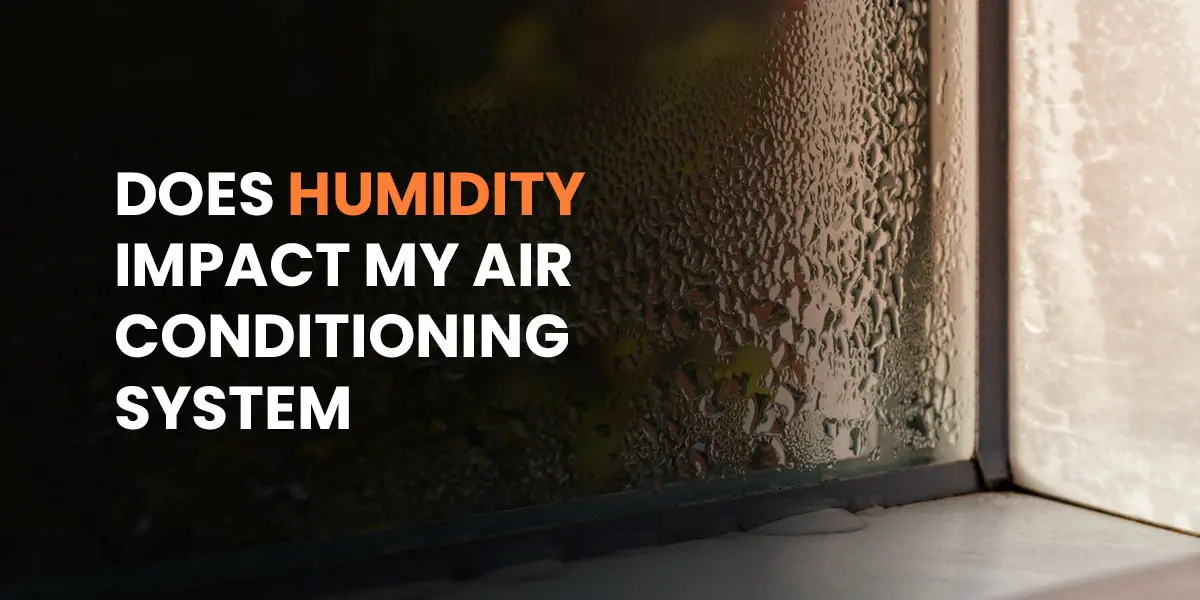
Living in Florida means living in a part of the country that's especially prone to hurricanes, heavy rains, and high ambient moisture for much of the year. As a result, you may notice beads of water forming on your windows and glass doors, particularly during temperature swings between the cooled indoor air and the warm, humid air outside.
That condensation isn't just cosmetic — it's a signal that your home's indoor humidity is too high. Left unaddressed, this excess moisture can lead to warped window sills, peeling paint, and the kind of biological growth (mold and mildew) that thrives in damp, poorly ventilated spaces. By installing a dehumidifier, you can bring humidity levels down into that healthy 30–50% range, reducing condensation and protecting the materials around your windows and doors from long-term moisture damage.
2. Eliminate Musty Odors and Support Better Air Quality
If you've ever walked into your home, a closet, or a specific room and noticed a musty smell, that odor is often a sign of mold, mildew, or other airborne pathogens taking hold in a humid environment. This isn't something to ignore — it can be genuinely disruptive for anyone in the household who deals with allergies, asthma, or general respiratory sensitivity.
High humidity is one of the primary drivers of indoor allergen levels. Dust mites and mold spores both reproduce far more aggressively in damp air, and both are common triggers for allergy flare-ups, congestion, coughing, and irritated eyes or skin. By pulling excess moisture from the air, a dehumidifier makes your home a much less hospitable environment for these allergens to multiply — which means fewer musty odors and, for many households, a noticeable improvement in day-to-day allergy symptoms.
3. Get Rid of Water Stains and Prevent Rotting Wood
Water stains and rotting wood are strong, visible indicators of chronic excess moisture in a home. Beyond the musty odors and allergens these conditions create, persistently damp wood also provides an ideal breeding ground for termites — and termite damage is notoriously expensive to remediate. Between structural repairs and pest treatment, homeowners can end up facing a costly, disruptive repair project that started as something as simple as unmanaged humidity.
Placing a dehumidifier in your home — especially in rooms where water stains, damp odors, or visible warping are already present — helps deter both wood rot and the conditions that attract termites in the first place. Addressing the moisture early is almost always far less expensive than addressing the structural damage later.
4. Protect Your HVAC System and Improve Efficiency
This is a benefit that often gets overlooked, but it's one of the most practical reasons to add a dehumidifier: it takes pressure off your air conditioning system.
Your AC unit is designed to cool your home, but it also does some dehumidifying as a byproduct of that process. In a particularly humid climate, though, your air conditioner can end up working overtime — running longer cycles and consuming more energy — simply to wring excess moisture out of the air in addition to cooling it. That's extra wear and tear on your system, and it can translate directly into higher utility bills.
A dedicated dehumidifier handles the moisture-removal job on its own, allowing your air conditioner to focus on temperature control. The result is often a more efficient, less strained HVAC system — one that may also see a longer service life, since it isn't being pushed as hard during Florida's long, humid cooling season.
5. Preserve Furniture, Flooring, and Electronics
Excess humidity doesn't just threaten walls, wood trim, and window sills — it can quietly damage nearly everything else in your home over time. Wood furniture can warp, swell, or develop mold on interior surfaces. Hardwood and laminate flooring can cup, buckle, or separate at the seams. Even electronics and sensitive equipment can suffer from corrosion or shortened lifespans when consistently exposed to high humidity.
By keeping indoor humidity in a stable, healthy range, a dehumidifier helps protect the everyday investments in your home — not just the structure itself, but everything inside it.
Whole-Home vs. Portable Dehumidifiers: Which Do You Need?
Not all dehumidifiers are the same, and the right choice depends on the scope of the problem you're trying to solve.
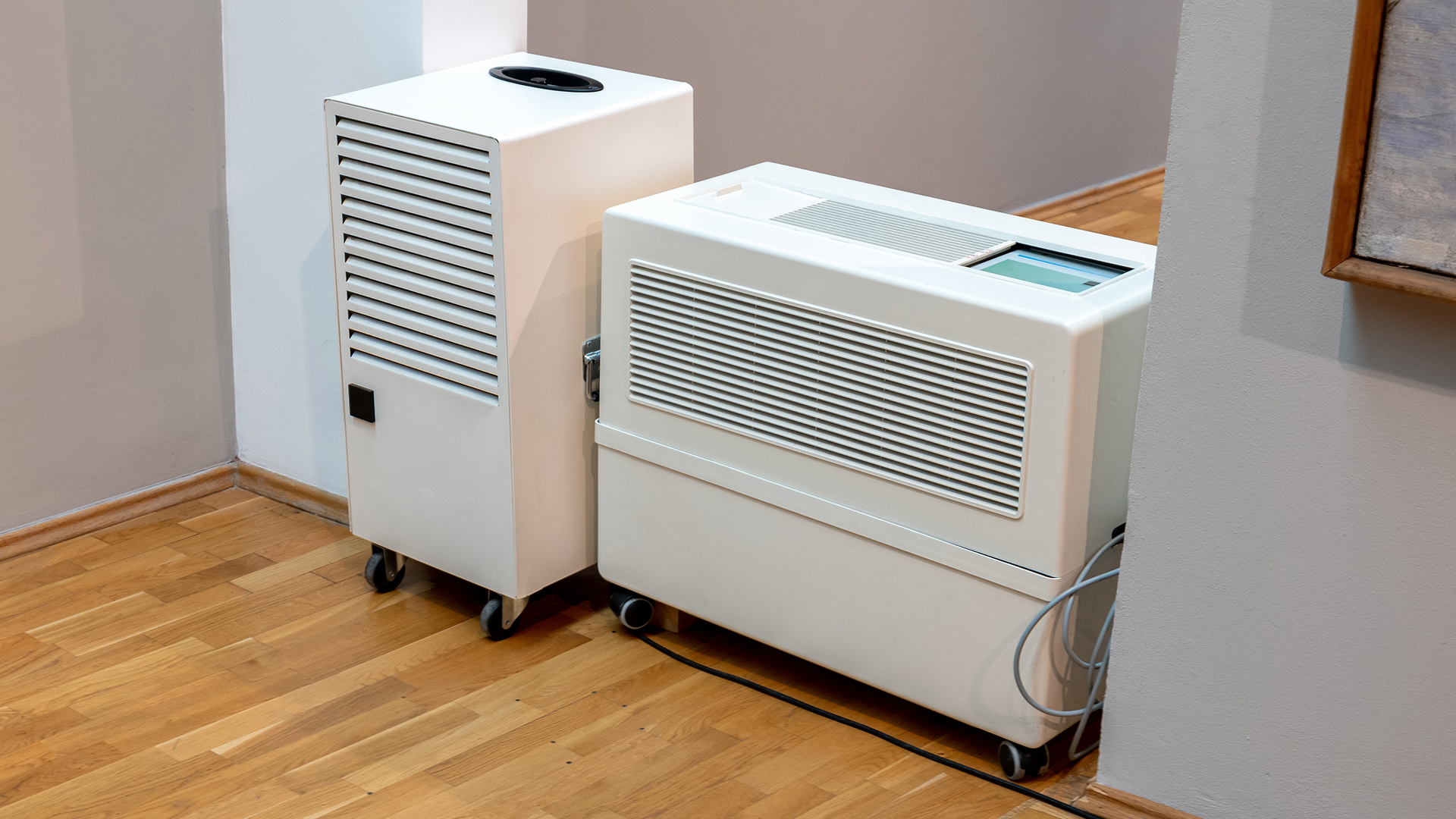
Portable (standalone) dehumidifiers are freestanding units placed in a specific room — a basement, laundry room, or bedroom that consistently runs damp. They're a good fit for isolated humidity issues in one or two areas of the home, and they typically require manually emptying a water reservoir (or running a continuous drain hose) on a regular basis.
Whole-home dehumidifiers are integrated directly into your home's existing ductwork and HVAC system, working alongside your air conditioner to condition the entire home's humidity levels at once. These are a better fit if you're noticing humidity issues throughout multiple rooms, or if you want a "set it and forget it" solution that runs automatically without emptying a reservoir.
If you're only dealing with one problem room, a portable unit may solve the issue. If humidity is a persistent, whole-house concern — which is common in Florida — a whole-home system integrated with your HVAC is often the more effective, lower-maintenance long-term solution.
Signs You Might Need a Dehumidifier
Not sure whether your home actually has a humidity problem? Watch for these common warning signs:
- Condensation or beads of water regularly forming on windows and glass doors
- A persistent musty smell in a room, closet, or basement
- Visible mold or mildew on walls, ceilings, or in bathrooms
- Warped, swollen, or buckling wood, flooring, or window sills
- Water stains on ceilings, walls, or floors
- Allergy or respiratory symptoms that noticeably improve when you're away from home
- A home humidity reading consistently above 50% (many smart thermostats and inexpensive hygrometers can measure this)
If several of these sound familiar, it's a strong sign that your indoor humidity levels need attention.
Frequently Asked Questions
What humidity level is too high for a home?
Most experts recommend keeping indoor relative humidity between 30% and 50%. Consistently running above 50% creates favorable conditions for mold, dust mites, and musty odors.
Can a dehumidifier help with allergies?
Yes. Since mold spores and dust mites both thrive in humid conditions, reducing indoor humidity can meaningfully cut down on two of the most common indoor allergy triggers.
Do I need a dehumidifier if I already have air conditioning?
Possibly. While air conditioners do remove some moisture as a byproduct of cooling, they're not designed as dedicated humidity-control systems — especially in consistently humid climates like Florida. A dehumidifier can pick up where your AC leaves off, particularly during shoulder seasons when the AC isn't running as often.
Whole-home or portable — which one is right for me?
If humidity issues are isolated to one room, a portable unit is often sufficient. If the problem shows up throughout the house, a whole-home system integrated with your HVAC ductwork is typically more effective and lower-maintenance.
How do I know what humidity level my home is currently at?
An inexpensive hygrometer (sold at most hardware stores) or a smart thermostat with humidity monitoring can give you an accurate reading in minutes.
Ready to Take Control of Your Home's Humidity?
If you would like to learn more about the benefits of a dehumidifier in your home, or if you have questions about your heating and cooling system, contact Del-Air Heating and Air Conditioning at (844) 909-3003 to schedule a free in-home humidity assessment. We'll help you determine the right solution — portable or whole-home — for your specific needs.