
9 Reasons You Should Invest in HVAC Maintenance
Your HVAC system works hard year-round to keep your home comfortable, cycling on and off, filtering air, and fighting against whatever the season throws at it. But it's easy to forget about it until something breaks. Routine maintenance is one of the most overlooked ways to protect your comfort, your budget, and your system's lifespan, yet it's also one of the simplest things a homeowner can do. Here are nine reasons why investing in regular HVAC maintenance is worth it.
1. Lower Energy Bills
A well-maintained system doesn't have to work as hard to heat or cool your home, which means it uses less energy. Dirty coils, clogged filters, and worn parts all force your system to run longer and harder to reach the same temperature. The U.S. Department of Energy estimates that a poorly maintained system can use up to 15% more energy than one that's properly serviced. Routine maintenance, including cleaning coils, replacing filters, and checking refrigerant levels, keeps your system running efficiently, which can translate directly into lower monthly energy bills, especially during peak summer and winter months.
2. Fewer Unexpected Breakdowns
Nobody wants their AC to fail on the hottest day of the year or their heat to go out in the middle of a cold snap. Regular maintenance allows a technician to catch small issues, such as a worn belt, a failing capacitor, or a loose electrical connection, before they turn into full system breakdowns. Catching these problems early means fewer surprise no-cool or no-heat calls when you need your system most, and less scrambling to find same-day emergency service.
3. Extended Equipment Lifespan
HVAC systems are a major investment, often costing several thousand dollars to replace, and routine maintenance is one of the best ways to protect that investment. Systems that are serviced regularly experience less wear and tear on their components, which helps them reach, or even exceed, their expected 15-to-20-year lifespan. Skipping maintenance, on the other hand, often means replacing your system years earlier than you should have to, since neglected parts wear out faster and put extra strain on the rest of the unit.
4. Improved Indoor Air Quality
Your HVAC system is constantly circulating the air throughout your home, and a poorly maintained system can circulate dust, allergens, pet dander, and even mold along with it. During a maintenance visit, a technician cleans components, checks your filter, and inspects for issues like mold growth in the ductwork or condensate drain line. This is especially important for households with young children, older adults, or anyone with asthma or allergies, since cleaner air circulating through the home means fewer triggers and a healthier living environment overall.
5. Fewer, Less Costly Repairs
Small issues are almost always cheaper to fix than the larger problems they turn into if left unaddressed. A refrigerant leak caught early is a simple fix; left alone, it can lead to compressor failure, one of the most expensive HVAC repairs there is. Routine maintenance visits give a technician the chance to spot minor wear before it causes a more expensive repair or damages other parts of the system. Over time, this can save you significantly compared to reactive, emergency repairs, which often come with rush fees on top of the repair cost itself.
6. Maintained Manufacturer Warranty
Many HVAC manufacturers require proof of regular, professional maintenance in order to honor the equipment warranty. If your system needs a warranty repair down the road and you can't show a maintenance history, you could end up paying out of pocket for a repair that should have been covered, sometimes running into thousands of dollars for parts like a compressor or heat exchanger. Keeping up with routine service, and keeping the paperwork to prove it, protects your warranty just as much as it protects your system.
7. Consistent, Reliable Comfort
A system that's properly maintained does a better job of keeping your home at a consistent temperature, with fewer hot or cold spots and less strain during extreme weather. Regular maintenance also means your thermostat, airflow, and ductwork are all working together the way they were designed to, so you're not left guessing why one room never seems to cool down or why the heat runs constantly without ever feeling warm.
8. Enhanced Home Safety
Maintenance isn't just about comfort and cost. It's also about safety. Gas furnaces can develop cracked heat exchangers over time, which pose a carbon monoxide risk if left undetected. Electrical connections can loosen and become a fire hazard. During a maintenance visit, a technician checks for these issues, tests carbon monoxide levels, and inspects wiring and connections, giving you peace of mind that your system isn't just working well, but working safely.
9. A Smaller Environmental Footprint
An inefficient system doesn't just cost you more. It uses more energy than necessary to do the same job, which means a larger carbon footprint. Regular maintenance keeps your system operating at peak efficiency, reducing unnecessary energy consumption. If lowering your household's environmental impact matters to you, a well-maintained HVAC system is one of the most effective, low-effort ways to do it.
HVAC Maintenance FAQs
What's Included in an HVAC Maintenance Visit?
A thorough maintenance appointment typically includes:
- Replacing or cleaning air filters
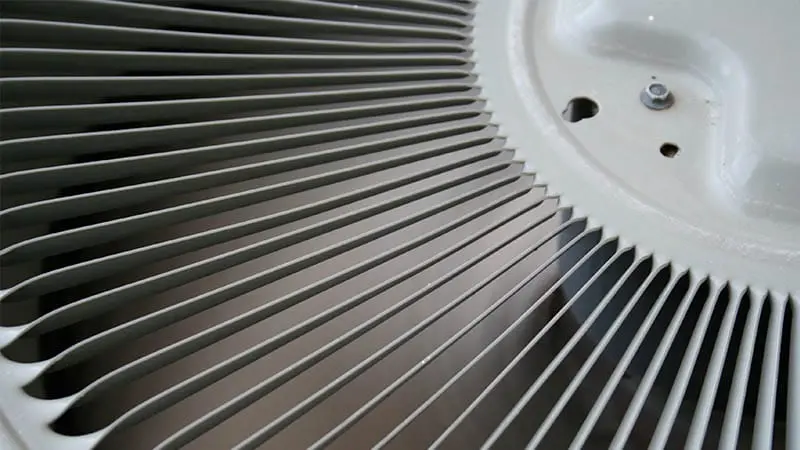
- Cleaning evaporator and condenser coils
- Checking refrigerant levels and pressure
- Inspecting electrical connections and controls
- Lubricating moving parts, including motors and bearings
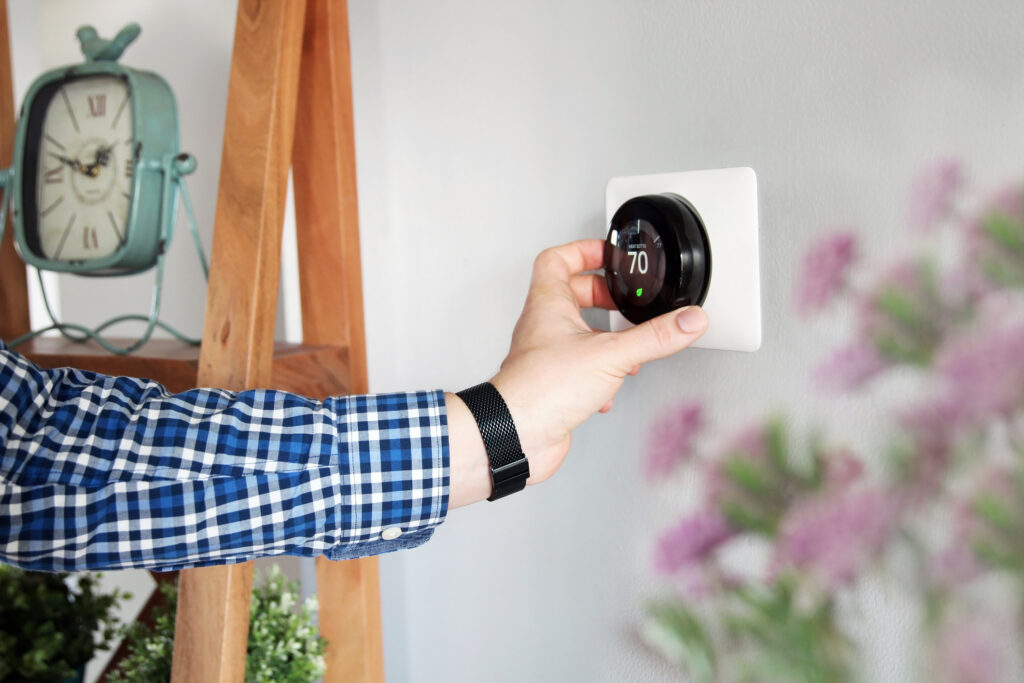
- Testing thermostat calibration and accuracy
- Inspecting ductwork for leaks, blockages, or mold
- Checking condensate drain lines for clogs
- Testing safety controls and carbon monoxide levels (for gas systems)
- Measuring airflow and system performance
How Often Should You Schedule HVAC Maintenance?
Most manufacturers and HVAC professionals recommend servicing your system twice a year: once in the spring before cooling season begins, and once in the fall before you start relying on your heat. This timing lets a technician catch issues before the systems are put under heavy seasonal demand, rather than discovering a problem in the middle of a heat wave or cold snap.
Does HVAC maintenance really make a difference if my system seems fine?
Yes. Many HVAC problems develop gradually and aren't noticeable until the system fails outright. Maintenance catches issues while your system still "seems fine," which is exactly when they're cheapest and easiest to fix.
How much does routine maintenance typically save compared to repairs?
While costs vary by system and issue, routine maintenance is almost always less expensive than emergency repairs, and far less expensive than early system replacement.
Can I do HVAC maintenance myself?
Homeowners can handle basic tasks like changing air filters regularly, but a full maintenance visit involves specialized tools and expertise, including checking refrigerant charge, testing electrical components, and inspecting for safety hazards, that should be left to a licensed technician.
Protect Your Comfort With Routine Maintenance
HVAC maintenance is a small investment that pays off in lower energy bills, fewer repairs, cleaner air, a longer-lasting system, and a safer home. Rather than waiting for a breakdown to call for service, a routine maintenance plan keeps your system running the way it should, all year long.
Call Del-Air Heating and Air Conditioning today at (844) 909-3003 to schedule your preventive maintenance appointment.