If you live in Central Florida, your air conditioner isn't just an appliance — it's a year-round necessity. With temperatures regularly climbing into the 90s and humidity that never seems to take a day off, your AC system works harder here than almost anywhere else in the country. That constant demand means inefficiency doesn't just cost you comfort — it costs you money, every single month, on your energy bill.
The good news is that a few consistent habits can make a real difference. An air conditioning unit that runs efficiently doesn't just keep your home cooler for less — it also lasts longer, breaks down less often, and saves you from expensive emergency repairs down the road.
As AC service experts serving Central Florida for decades, Del-Air has seen firsthand what separates a system that runs smoothly for 15+ years from one that starts struggling after year five. Below are 10 tips — some you can do yourself this weekend, others best left to a professional — that can help your system run at its best.
1. Schedule Annual Inspections
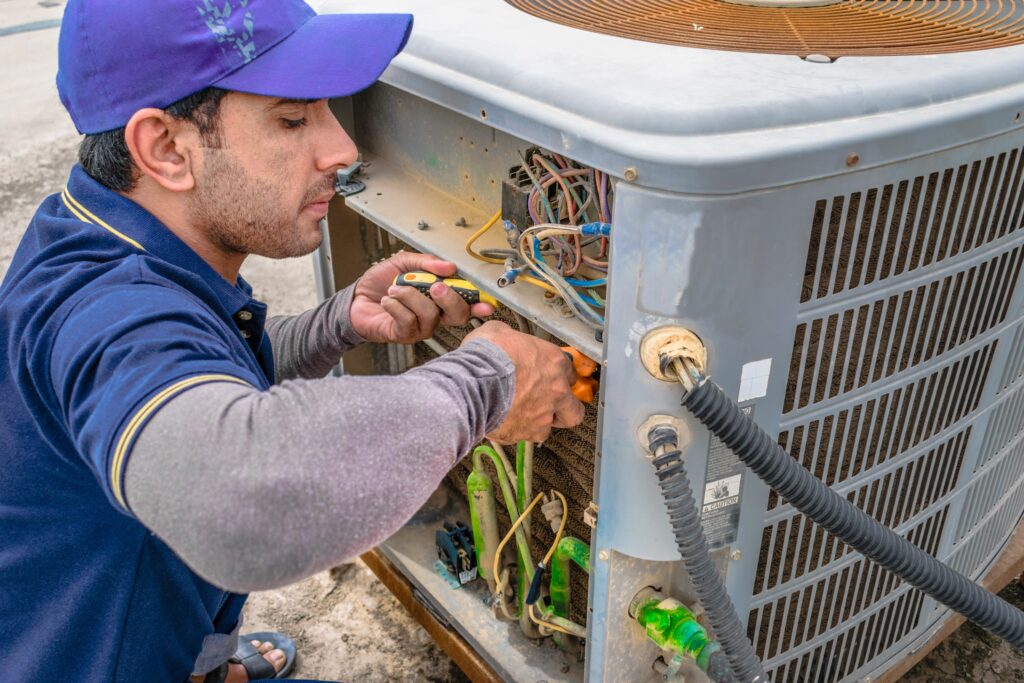
If there's one habit that protects your entire HVAC investment, it's scheduling routine inspections and preventative maintenance. During a professional tune-up, a technician checks refrigerant levels, tests electrical connections, inspects the condensate drain, and verifies that your system is operating at full capacity. This matters because most major AC failures don't happen overnight — they build up gradually from small issues that go unnoticed. A worn capacitor, a slightly low refrigerant charge, or a clogged drain line might not stop your AC from running today, but each one forces your system to work harder, drives up your energy bills, and increases the odds of a breakdown during the hottest week of summer.
For best results, schedule inspections twice a year — once in spring before cooling season ramps up, and once in fall before you rely on your system for heat. Catching a small problem in April is a lot cheaper than an emergency repair call in July.
2. Change Your Air Filters Regularly
Your air filter has two jobs: protecting your indoor air quality and protecting your system's ability to breathe. As filters collect dust, pet dander, and other airborne particles, they gradually restrict airflow. A clogged filter forces your blower motor to work harder to push air through the system, which increases energy consumption and puts unnecessary strain on components that are expensive to replace.
As a general rule, standard fiberglass filters should be changed every 30 days, while pleated filters can often go 60-90 days between changes. If you have pets, allergies in the household, or run your system constantly (which most Florida homes do), lean toward the more frequent end of that range. It's one of the cheapest and easiest ways to protect your system's efficiency — no tools or technician required.
3. Keep Your AC Coils Clean
When was the last time you checked your AC coils? Over time, both the evaporator coil (indoors) and condenser coil (outdoors) accumulate a fine layer of dirt and debris. This buildup acts like a blanket, insulating the coil and reducing its ability to transfer heat. The result: your system has to run longer and work harder to reach the same temperature, which translates directly into higher energy bills.
Dirty coils are one of the most common — and most preventable — causes of reduced AC efficiency. In more severe cases, a neglected coil can also contribute to ice buildup on the evaporator coil, which can cause even bigger problems if left unaddressed. Coil cleaning isn't usually a DIY job, since it requires care to avoid bending the delicate fins, so this is a good one to add to your annual maintenance visit.
4. Provide Shade for Your Outdoor Unit
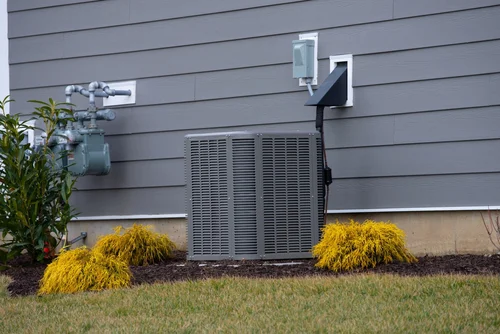
Take a look at where your outdoor condenser unit sits. Is it baking in direct sunlight for most of the day? When a condenser unit absorbs excess heat from the sun, it has to work harder to release the heat pulled from inside your home, reducing overall efficiency.
Planting shrubs, installing a shade structure, or positioning the unit on the north or east side of your home (where it gets less direct afternoon sun) can meaningfully reduce the workload on your system. Just be sure to leave at least two to three feet of clearance around the unit for proper airflow — a shaded unit that's boxed in too tightly can create its own set of problems.
5. Don't Block Your Registers
It's a common assumption: close the vents in unused rooms, and you'll save energy by not cooling space nobody's using. In reality, the opposite tends to happen. Your HVAC system is designed to move a specific volume of air throughout your home. When you block registers, you increase pressure inside the ductwork, which can force air out through leaks, strain your blower motor, and in some cases even cause coil freezing.
For the most efficient — and safest — operation, keep all registers open and unobstructed, even in rooms you don't use often. If you're trying to reduce cooling costs in certain areas of your home, talk to an HVAC professional about zoning systems, which are specifically designed to control airflow to different areas without disrupting your system's overall balance.
6. Use Window Treatments Strategically
Even a perfectly maintained AC system has to work harder when direct sunlight is pouring through your windows. Solar heat gain — the warming effect of sunlight passing through glass — can meaningfully raise the temperature of a room, especially on south- and west-facing windows during peak afternoon hours.
Heavy curtains, blackout shades, or reflective window film can all help block that heat before it ever enters your living space. Closing blinds and curtains during the hottest part of the day (typically early afternoon through early evening) gives your AC a break and can noticeably reduce how often your system cycles on.
7. Adjust Your Thermostat When You're Away or Asleep
There's no reason to cool an empty house to the same temperature as one that's occupied. Every degree you raise your thermostat while you're away or asleep reduces the workload on your system and lowers your energy usage. As a general guideline, raising your thermostat 5-8 degrees during non-peak hours — like the workday or overnight — can add up to meaningful savings over the course of a month, without any noticeable impact on your comfort when you're actually home and awake.
If manually adjusting your thermostat twice a day isn't realistic for your schedule, a programmable or smart thermostat (see below) can automate this entirely.
8. Upgrade to a Smart or Programmable Thermostat
If you're still using a manual thermostat, upgrading is one of the highest-impact changes you can make. Smart thermostats learn your household's schedule and automatically adjust temperatures throughout the day, so you get the energy savings of manual adjustments without having to remember to do it yourself. Many models also provide detailed usage reports, letting you see exactly when and why your system is running, which can help you identify further opportunities to save.
Some smart thermostats can even detect when your system may be running inefficiently and alert you before a small issue becomes a costly repair — giving you an early warning system alongside your regular maintenance visits.
9. Seal Duct Leaks
Ductwork is often the most overlooked piece of the efficiency puzzle, simply because it's hidden behind walls, floors, and ceilings. Over time, duct joints can loosen, gaps can develop, and connections can deteriorate — allowing cooled air to escape into attics, crawl spaces, and other unconditioned areas before it ever reaches your living space. In many homes, leaky ductwork is responsible for a significant loss of cooling capacity, meaning your system has to run longer to compensate for air that never makes it to your rooms in the first place.
Signs of duct leaks include noticeably uneven cooling between rooms, higher-than-expected energy bills, or excessive dust near vents. Because ducts are often difficult to access, this is generally a job for a professional, who can pressure-test your system and seal leaks with proper mastic sealant or specialized tape (standard duct tape, despite the name, isn't designed for this and tends to fail over time).
10. Make Sure Your System Is Properly Sized
Not every efficiency problem comes down to maintenance — sometimes the issue is that the system itself was never the right fit for your home. An AC unit that's too large for a space will cool quickly but cycle on and off frequently, never running long enough to properly dehumidify the air. One that's too small will run almost constantly, straining to keep up with demand it was never built to handle. Both scenarios lead to excess wear, higher energy bills, and a shorter system lifespan.
Proper sizing depends on more than just square footage — factors like insulation quality, window placement, ceiling height, and even the number of occupants all play a role. If you've noticed your system running constantly, cycling unusually often, or struggling to maintain a consistent temperature despite regular maintenance, it may be worth having a professional evaluate whether your current unit is actually sized correctly for your home.
Recognizing When It's More Than a Maintenance Issue
The tips above can meaningfully improve how efficiently your AC system runs — but it's worth knowing when efficiency problems point to something bigger than a missed filter change or a dirty coil.
Keep an eye out for:
- Energy bills that keep climbing even though your usage hasn't changed
- Uneven cooling between rooms or floors
- Your system running longer or more frequently than it used to
- Unusual noises, such as grinding, rattling, or squealing
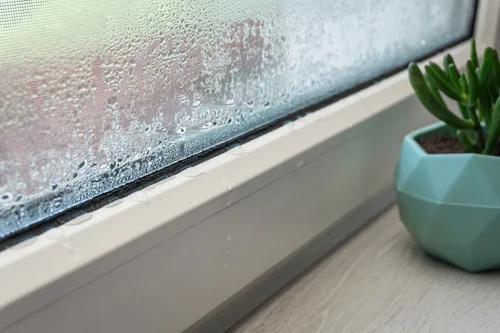
- Excess humidity indoors, even with the AC running
Any one of these can be an early sign that your system needs attention — and if several show up together, it may be worth having a professional take a closer look.
Visit the Del-Air Blog for More Tips
The habits above are some of the most effective ways to improve your AC's efficiency, lower your monthly energy costs, and extend the life of your system. But maintenance can only go so far. If your unit is aging, requires frequent repairs, or simply can't keep up with your home's needs despite your best efforts, it may be time to consider replacing it with a newer, more energy-efficient model.
For more information about our AC service, contact our HVAC pros online, or browse the Del-Air blog for more tips on keeping your home comfortable and your energy bills in check. We look forward to helping your family stay comfortable, efficient, and worry-free all year round.