
Living near Florida’s beautiful coastlines comes with countless perks, from stunning ocean views and warm breezes to a laid-back lifestyle. But if you own a home in a coastal area, you’re likely aware of the hidden toll salt air can take on your property. Your air conditioning system is especially vulnerable to corrosion and premature wear. Understanding how salt air affects your AC and what you can do to protect it is key to keeping your system running efficiently year-round.
What is Salt Air, and Will It Affect My Home?
Salt air, also known as sea air, is a combination of moisture and tiny salt particles carried inland by ocean breezes. You don’t have to live directly on the shoreline to feel its effects. Even homes several miles from the water can experience salt-laden air, especially when winds are strong or humidity is high.
Salt particles are naturally corrosive. When they settle on surfaces, they attract moisture and create an environment that speeds up rust and deterioration. This process can damage outdoor structures, vehicles, and most importantly, the metal components of your HVAC system.
How Does Salt Air Affect HVAC Systems?
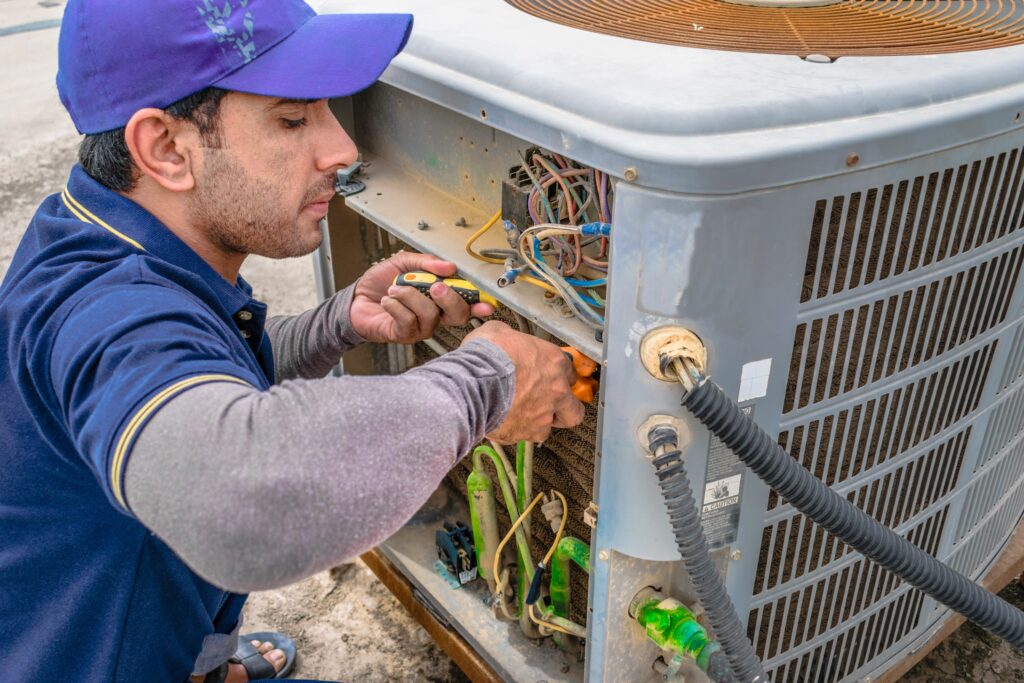
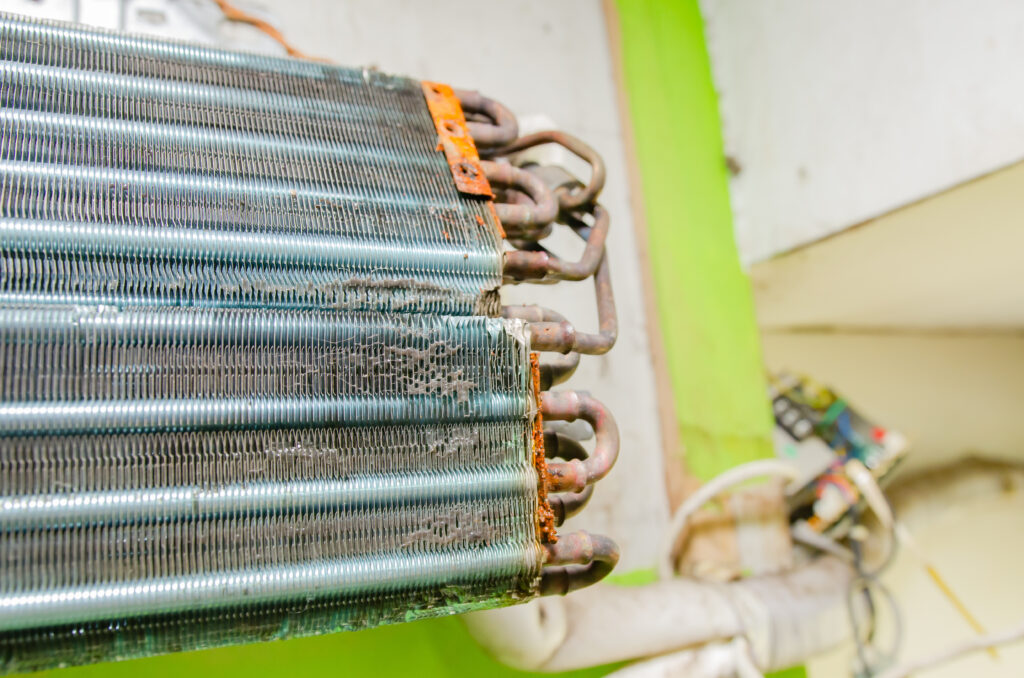
Salt air is essentially a mixture of sodium chloride and water vapor. This combination is particularly harsh on metals like aluminum and steel, which are common in air conditioning units. Over time, salt particles cling to your AC’s coils, fins, and casing, trapping moisture and accelerating corrosion.
Here’s how salt air can impact your AC:
- Corroded condenser coils: Salt buildup on condenser coils reduces heat transfer, making your AC work harder and less efficiently.
- Rust and structural weakness: Over time, the metal framework and fasteners can weaken, leading to leaks or structural failure.
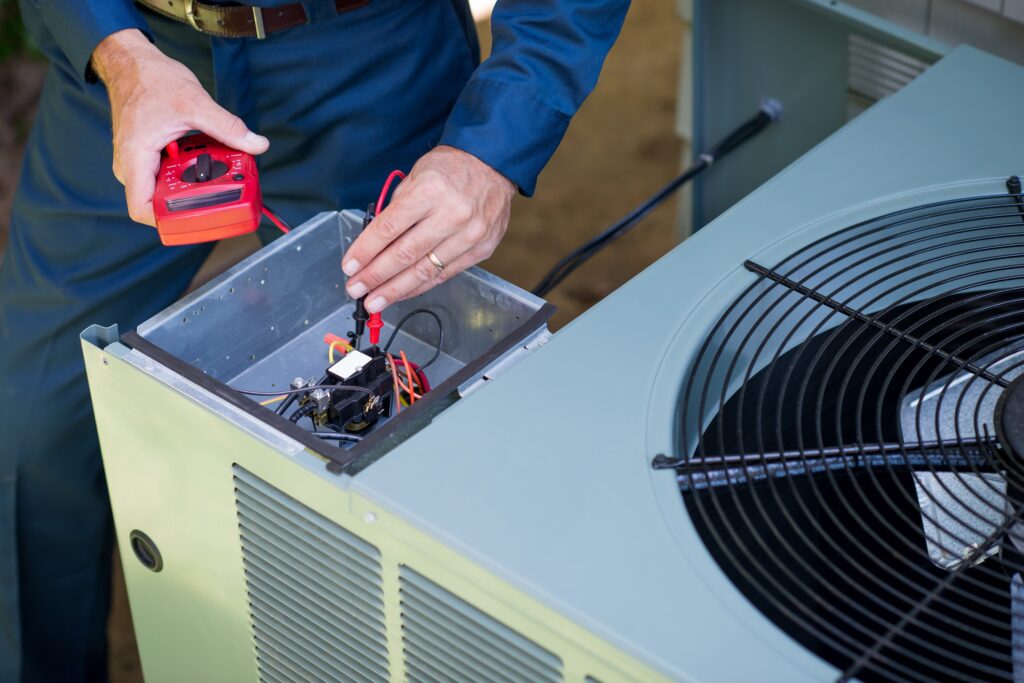
- Electrical issues: Moisture trapped by salt can corrode electrical components, creating shorts or damaging the control board.
- Reduced lifespan: Units in coastal areas often wear out faster than those installed inland, sometimes cutting years off their expected service life.
How to Prevent Salt Air Damage to Your AC
While you can’t eliminate salt air, you can take proactive steps to protect your system, including:
- Rinse your unit regularly: Use a garden hose to gently rinse your outdoor condenser every month to wash away salt deposits. Avoid high pressure, which can damage the fins.
- Schedule professional cleanings: Arrange annual or biannual maintenance with a qualified technician to deep-clean coils and inspect for corrosion.
- Apply protective coatings: Specialized anti-corrosion coatings or sealants can add a layer of protection to metal surfaces.
- Use a weatherproof cover: When your AC isn’t in use, a breathable cover can help shield it from direct salt exposure.
- Trim landscaping: Keep plants and shrubs trimmed away to ensure good airflow and reduce moisture buildup around the unit.
What’s the Best AC Unit for Coastal Homes?
If you live near the coast, investing in the right equipment can make all the difference. When shopping for a new AC system, look for the following features:
- Corrosion-resistant coils: Models with coated or epoxy-treated coils resist rust better than standard aluminum or copper.
- Sealed electrical components: Units with sealed or elevated electrical compartments are less prone to moisture damage.
- Stainless steel hardware: Fasteners and frames made of stainless steel withstand salt air better than galvanized steel.
- High-efficiency ratings: Systems that operate efficiently reduce strain on components, extending their lifespan.
- Ductless and mini-split systems: These options often have fewer exterior parts and can be easier to maintain and protect in harsh environments.
A professional HVAC contractor can help you select a system built to handle Florida’s coastal conditions while keeping your home cool and comfortable.
Why Choose Us?
At Del-Air Plumbing, Air Conditioning, Electric, we understand the unique challenges of coastal living because we’ve been serving Florida families since 1983. Whether you need expert AC installation, maintenance, or same-day repairs, we’re here to help you protect your investment.
Contact us online to book AC services in Florida and let us help you keep your AC running strong, season after season!