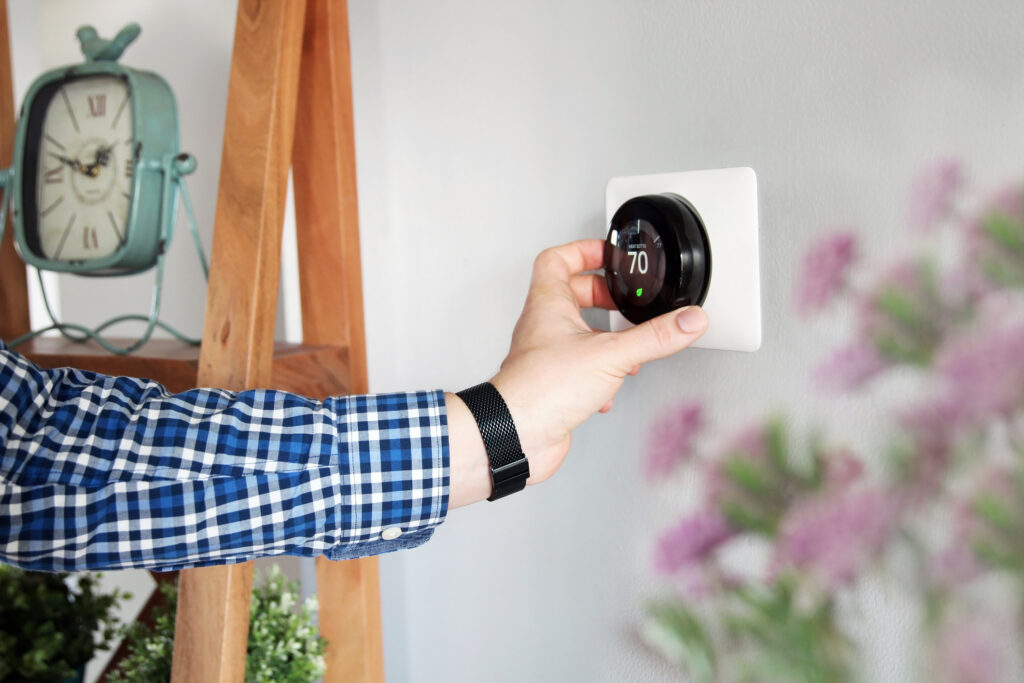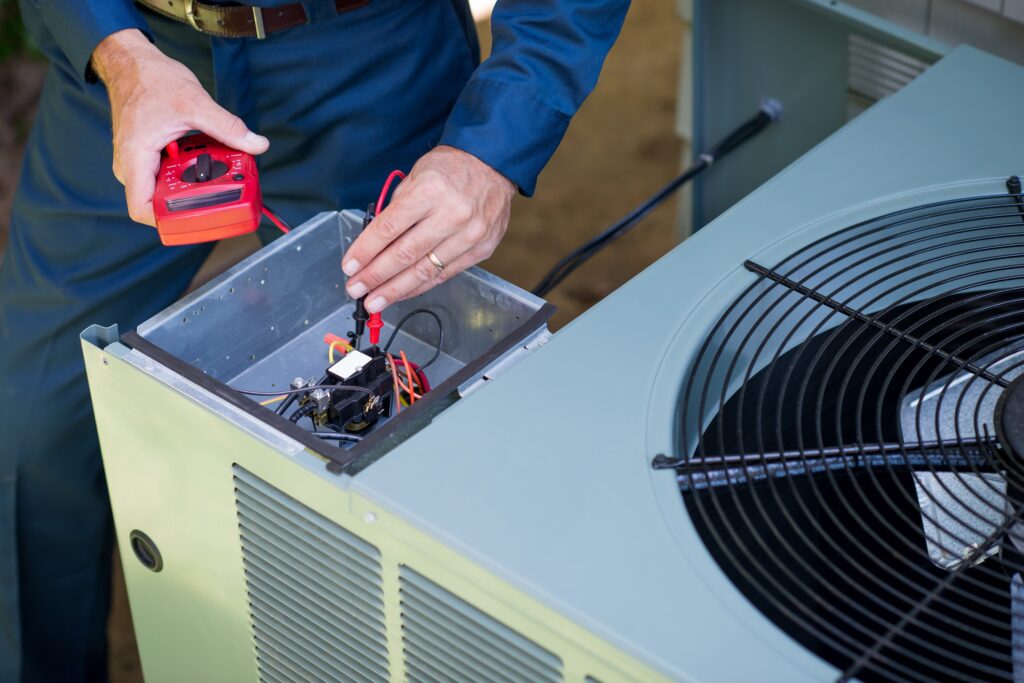
When your air conditioning system runs day after day in Florida’s humid climate, it relies on more than just the thermostat and air handler to keep your home cool. The network of vents throughout your house plays a major role in ensuring balanced airflow, even temperatures, and indoor comfort. Understanding the difference between return vents and air handler (supply) vents can help you spot airflow issues early and keep your system working efficiently year-round.
What Is a Return Vent?
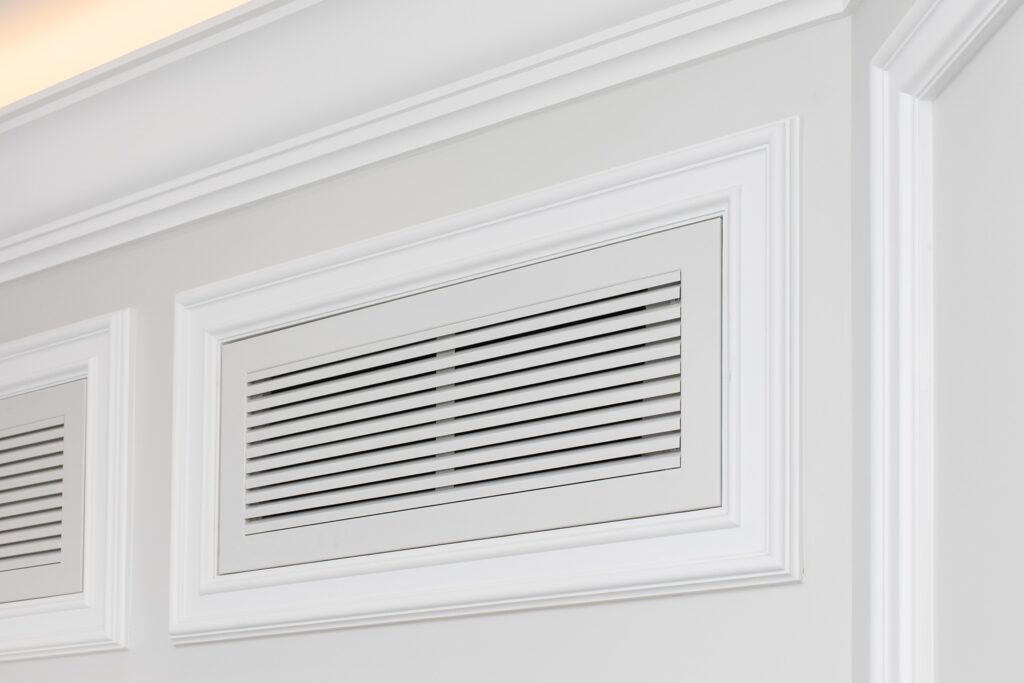
Return vents are the large grilles in your home that pull indoor air back into the HVAC system. They’re often located in central areas such as hallways, living rooms, or near the ceiling in larger rooms. The air drawn in through these vents passes through the air filter and into the air handler, where it’s cooled or heated before being sent back into your home.
A properly working return vent system ensures that your air conditioner or heat pump always has enough air to process. Without it, your system would struggle to maintain temperature and could experience unnecessary wear.
What Is an Air Handler Vent (Supply Vent)?
Air handler vents (also known as supply vents) are responsible for distributing conditioned air throughout your home. These are the smaller vents you’ll find in each room, typically on walls, floors, or ceilings. They release the cooled or heated air your system produces, creating that comfortable indoor environment you depend on during Florida’s long summer months.
Supply vents usually feature adjustable louvers that let you control airflow direction. However, closing too many of them can cause pressure imbalances and reduce overall system efficiency.
Key Differences Between Return & Air Handler Vents
The main distinction between the two types of vents is direction:
- Return vents pull air into the system.
- Air handler (supply) vents push conditioned air out into the home.
Return vents typically have filters or grilles without louvers, while supply vents are smaller and may have adjustable covers. Both work together to keep air circulating evenly, which helps your system cool effectively and maintain healthy indoor humidity levels.
Why Both Vents Are Essential for Your HVAC System
Return and supply vents form the foundation of your HVAC system’s air circulation. If return vents become clogged or blocked, your system won’t draw in enough air to cool. On the other hand, if supply vents are blocked or closed, the air your system produces can’t circulate effectively.
Maintaining a proper balance between the two ensures steady airflow, even temperatures, and healthy indoor air quality. When airflow is restricted, your system works harder, which can lead to higher energy bills, more frequent repairs, and reduced system lifespan.
How To Maintain Healthy Airflow in Your Home
Good airflow starts with simple maintenance habits. Here’s how Florida homeowners can keep their systems running smoothly:
- Keep vents and grilles clean: Dust, pet hair, and debris can quickly build up and block airflow.
- Change air filters regularly: Replace filters every 1–3 months, especially during heavy use seasons.
- Avoid blocking vents: Make sure furniture, rugs, and curtains aren’t covering vents.
- Schedule regular HVAC maintenance: Have a professional inspect for duct leaks, pressure issues, and blockages.
Following these steps not only improves airflow but also reduces energy costs and helps your air conditioner last longer.
Improve Your HVAC Airflow with Del-Air in Florida
When it comes to keeping your home comfortable, Del-Air Plumbing, Air Conditioning & Electric offers expert care backed by decades of experience. Our licensed and insured technicians provide same-day service, upfront pricing, and free estimates on replacement quotes so you can make informed decisions. We service all brands, offer financing options, and provide 24/7 emergency service to ensure you’re never left without comfort when it matters most.
Ready to improve your home’s airflow and comfort? Schedule your HVAC service with Del-Air today!