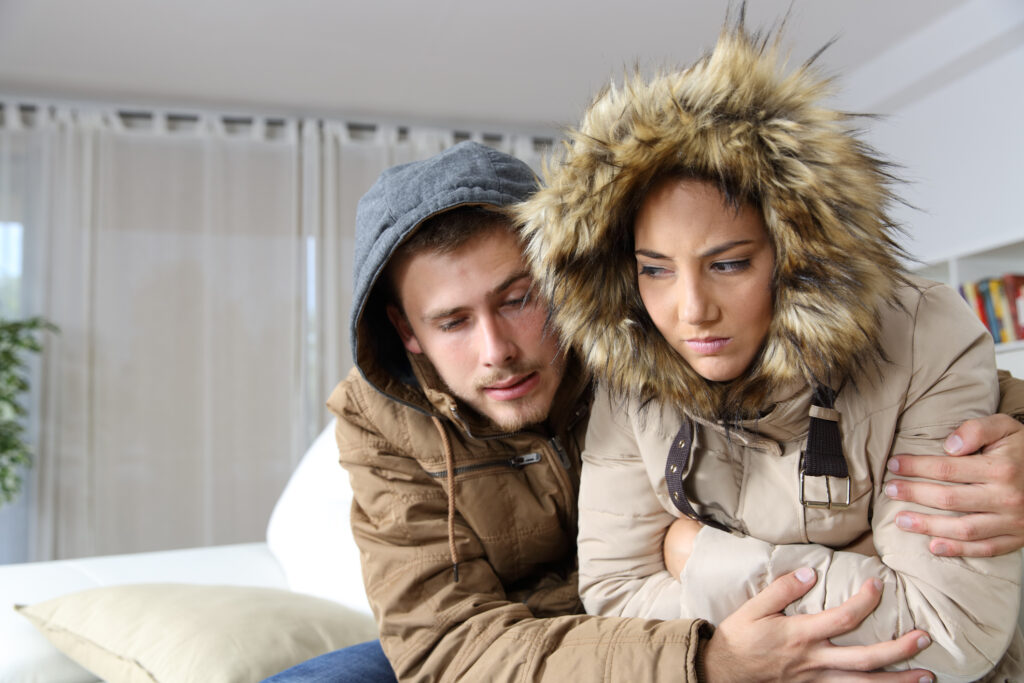


The first real cold snap in Florida can reveal heating problems that have gone unnoticed for months. Your air conditioner worked fine all summer, but now the thermostat says Heat, the system runs, and the air from the vents feels cool at best.
Before assuming something major has broken, check a few simple things. Florida homes often use heat pumps rather than the heating systems commonly found in colder climates, so understanding how your system is supposed to operate can also help you determine whether you really have a no-heat problem.
Whether you are in Orlando, Tampa, or elsewhere in Del-Air's Florida service areas, this troubleshooting checklist can help you identify common issues and know when to stop troubleshooting and call a professional.
Still have no heat after checking the basics? Contact Del-Air or call to schedule heating service.
Why Florida Heating Problems Can Feel Different
Many Florida homes rely on heat pumps for both cooling and heating. Instead of creating heat the same way a traditional furnace does, a heat pump transfers heat from the outdoor air into your home.
Many systems also include electric heat strips inside the air handler. These provide supplemental or emergency heat when the system needs additional heating capacity.
That setup creates a few differences homeowners should understand.
Heat Pump Air May Not Feel Hot
If you have lived in a colder climate with a furnace, you may expect very hot air to come from your vents.
Heat pumps typically provide gentler, more consistent warmth. The air coming from the vents may feel warm rather than hot, even when the system is operating normally.
A better test is whether your home's temperature gradually rises and eventually reaches the thermostat setting.
Backup Heat May Not Have Run for Months
Florida homeowners may go many months without using their heating system or backup electric heat.
A system can perform normally throughout the cooling season even if a component used primarily during heating has a problem. That is one reason the first cold weather of the season sometimes brings an unexpected heating repair.
Start With the Thermostat
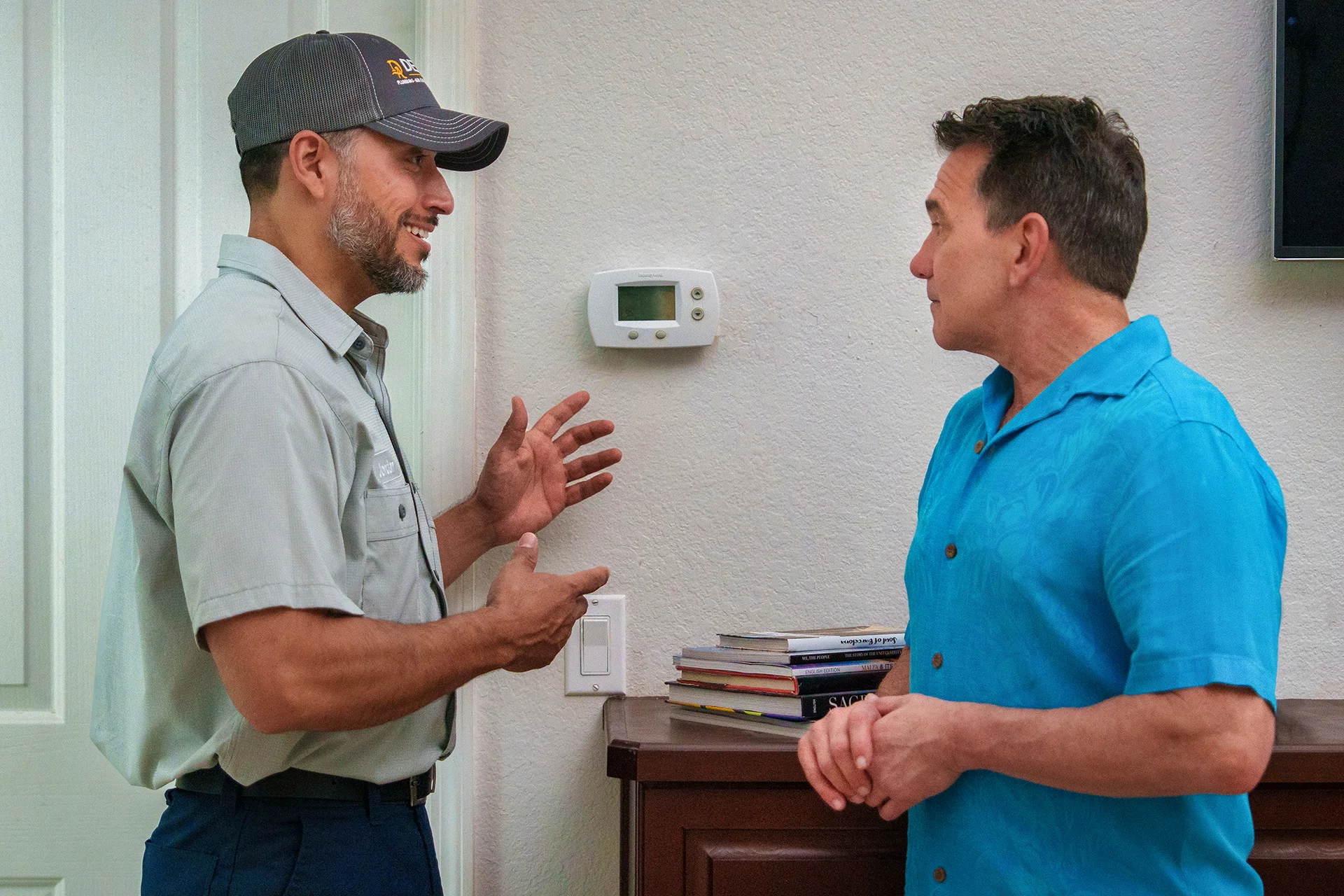
Before checking anything else, take a close look at your thermostat.
Confirm the Mode
Make sure the thermostat is set to Heat, not Cool, Fan Only, or Off.
Then set the temperature a few degrees higher than the current room temperature. This gives the system a clear call for heat.
Give the equipment several minutes to respond. Some HVAC systems have built-in delays that prevent them from starting immediately.
Check the Thermostat Batteries
If your thermostat uses batteries, replace them if they are low.
A dim screen, low-battery warning, blank display, or unusual thermostat behavior can sometimes be resolved with fresh batteries.
After replacing them, confirm your heating settings again.
Check Smart Thermostat Settings
If you use a smart or programmable thermostat, check for schedules, Away settings, Eco modes, or other automated features that could be affecting the temperature.
Temporarily set the thermostat to your desired temperature to see whether a schedule or automated setting is causing the problem.
If the thermostat is clearly calling for heat and the HVAC system still does not respond, move on to a few other basic checks.
Check Whether the HVAC System Has Power
A heat pump system has indoor and outdoor equipment, and a power loss to part of the system can prevent normal heating.
Look at your home's electrical panel for HVAC-related breakers. Labels may include Air Handler, HVAC, A/C, Heat Pump, or similar wording.
If you see a breaker that has clearly tripped, you can follow the manufacturer's or electrical panel's instructions for resetting it if you are comfortable doing so.
However, do not repeatedly reset a breaker that trips again.
A breaker that repeatedly trips can indicate an electrical problem that requires professional diagnosis. Turn the HVAC system off and schedule service rather than continuing to reset it.
You can also check whether your indoor air handler has a nearby service switch. These sometimes resemble ordinary light switches and can occasionally be turned off accidentally.
Do not open electrical panels on the HVAC equipment or attempt to inspect wiring yourself.
Check the Air Filter and Vents
Your heating and cooling system depends on adequate airflow.
A heavily clogged filter can restrict airflow and affect system performance.
Inspect Your Air Filter
Locate your HVAC filter and check its condition. Depending on your home and system, the filter may be located in a return grille or near the air handler.
If the filter is visibly dirty or clogged, replace it with the correct size and type recommended for your system.
After replacing it, give the HVAC system time to operate and see whether airflow and comfort improve.
Make Sure Vents and Returns Are Open
Walk through your home and make sure supply vents and return grilles are not blocked by furniture, rugs, curtains, boxes, or other items.
Restricted airflow can make it harder for your HVAC system to distribute warm air effectively throughout the house.
If airflow remains weak after replacing a dirty filter and opening blocked vents, a technician may need to inspect the blower, ductwork, or other system components.
What Does Emergency Heat Mean?
Many heat pump thermostats have an Emergency Heat or EM HEAT setting.
Emergency Heat is different from regular Heat mode.
During normal heating operation, the heat pump does most of the work, with supplemental heat available when the system needs additional help. Emergency Heat typically bypasses normal heat pump operation and relies on the system's backup heating source.
It is not intended to be your everyday heating setting.
If your heat pump isn't working and you need to use Emergency Heat temporarily, follow the instructions for your thermostat and HVAC system. If Emergency Heat is the only way to warm your home, schedule professional service so a technician can diagnose the underlying heat pump problem.
If you are unsure how your thermostat's Emergency Heat setting works, contact an HVAC professional rather than experiment with system settings.
Pay Attention to What the System Is Doing
You do not need to determine exactly which component has failed. Simply observing how the system behaves can provide useful information for your HVAC technician.
Is the Outdoor Unit Running?
When a heat pump is operating in regular Heat mode, the outdoor unit will generally operate as part of the heating process.
If the indoor blower runs but the outdoor unit never seems to start, you may have an electrical, control, or equipment problem.
Do not open or attempt to repair the outdoor equipment yourself.
Is the System Starting and Stopping Repeatedly?
If your system turns on, runs briefly, shuts off, and then repeats the cycle, it may be short cycling.
Short cycling can have several possible causes and should be professionally diagnosed, particularly if it continues after you have checked the thermostat and filter.
Is There Water Around the Indoor Unit?
Florida HVAC systems remove significant amounts of moisture from indoor air during the cooling season.
That moisture normally drains through a condensate line. If the drain becomes clogged, a safety switch may shut down the HVAC system to help prevent water damage.
If you notice standing water around the air handler or signs of a condensate backup, turn the system off and schedule service rather than trying to bypass a safety switch.
Is the Air Cool or Truly Cold?
Remember that heat pump air may not feel as hot as furnace air.
If the air feels mildly warm and your home's temperature is gradually rising, the system may be operating normally.
If the vents are blowing genuinely cold air for an extended period and the home's temperature is not increasing, there may be a problem that requires service.
When to Stop Troubleshooting and Call for Heating Repair
Some heating problems should not be handled as DIY projects.
Stop troubleshooting and contact a professional if you notice:
- Repeated breaker trips: A breaker that trips again after being reset can indicate an electrical problem.
- Burning or electrical odors: Turn the system off if you notice an unusual burning smell.
- Smoke or visible electrical damage: Do not continue operating the equipment.
- Loud or unusual noises: Grinding, banging, screeching, or metal-on-metal sounds should be inspected.
- Water around the air handler: A condensate problem or another issue may need attention.
- Cold air that does not improve: If the thermostat is set correctly but your home still will not warm up, you may need a professional diagnosis.
- A system that repeatedly starts and stops: Persistent short cycling can signal a system problem.
If you have checked the thermostat, filter, vents, and basic power supply and still have no heat, the problem may involve the heat pump, electrical components, controls, refrigerant system, auxiliary heat, or another internal component.
These issues require a trained HVAC technician.
What to Tell Your HVAC Technician
You do not need to know the exact cause before scheduling service.
A few simple observations can help your technician understand what is happening:
- Whether the thermostat is set to Heat and responding normally.
- Whether the indoor blower is running.
- Whether the outdoor unit appears to be operating.
- Whether the air from the vents feels warm, cool, or cold.
- Whether the system starts and stops frequently.
- Whether you noticed unusual sounds, odors, or water around the equipment.
- Whether a breaker has tripped.
Sharing these details when you schedule service can give the technician useful context before arriving at your home.
Preventing the Next Cold-Morning Surprise
One of the easiest ways to reduce the chance of discovering a heating problem during a Florida cold snap is to test your system before you need it.
During fall HVAC maintenance, a technician can check heating operation, inspect electrical components, evaluate airflow, examine the condensate system, test system controls, and look for developing issues after the long cooling season.
This is especially useful for Florida heat pumps because the system may have spent months operating almost exclusively in cooling mode.
Homeowners can also perform a simple preseason check by switching the thermostat to Heat on a mild day and confirming that the system responds and begins warming the home.
If something doesn't seem right, you can schedule service before the next cold front arrives.
Get Your Heat Back On
A house without heat can feel like an emergency when Florida temperatures suddenly drop, but the cause is not always a major system failure.
Start with the basics. Check your thermostat settings, make sure the system has power, inspect the air filter, and make sure vents and returns are not blocked.
If those steps don't restore heat, or if you notice repeated breaker trips, unusual noises, electrical odors, water around the equipment, or another warning sign, it is time to call a professional.
From Orlando and Tampa to communities throughout Del-Air's Florida service areas, homeowners can count on Del-Air Heating, Air Conditioning & Refrigeration, LLC when their heating system is not working the way it should.
Contact Del-Air or call to schedule heating service.