


7 Easy Ways to Improve the Air Quality in Your Home
The air inside your home can be more polluted than the air outside — sometimes significantly so. Poor indoor air quality can lead to allergies, skin irritations, headaches, and can trigger asthma symptoms, especially for kids and older family members who spend more time indoors. The good news is that most causes of poor indoor air quality are fixable with a few consistent habits and the right home maintenance. Here are seven easy ways to breathe easier at home.
1 Deep Clean Often
Keeping a clean house is the first step to eliminating dust, pollen, pet dander, and other airborne contaminants. Vacuum carpets and rugs at least once a week with a vacuum that has a HEPA filter, which traps small particles instead of recirculating them into the air. Dust hard surfaces with a damp cloth rather than a dry one, since dry dusting just stirs particles back into the air. A few other easy wins:
- Wash bedding weekly in hot water to cut down on dust mites.
- Encourage visitors to remove their shoes before walking on carpet.
- Clean the outside of your air vents and return grilles, where dust tends to build up and recirculate.
2. Keep Your Air Conditioning Unit Spotless
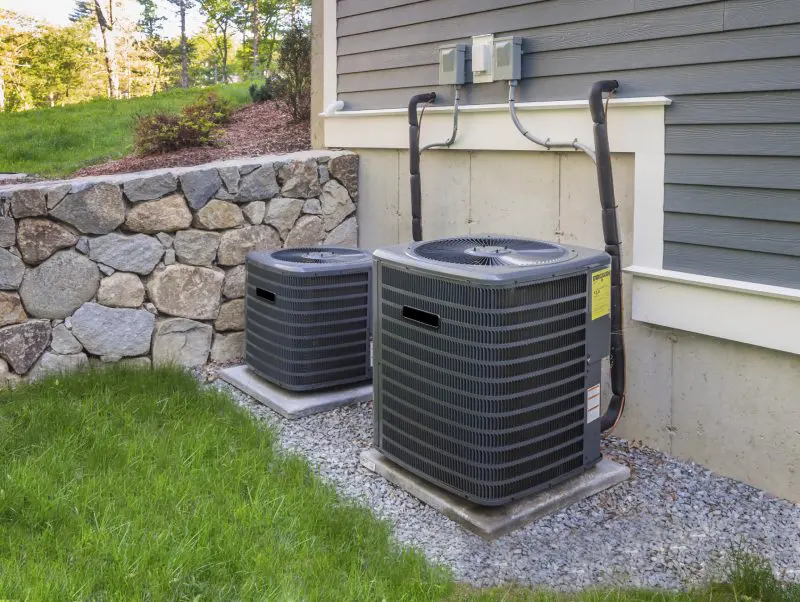
Your AC system doesn't just cool your home — it's constantly moving air through it, which means anything living or building up inside the unit can end up in the air you breathe. Dust, mold, and debris inside the system can circulate throughout your home every time it runs. Routine service appointments and tune-ups from a licensed HVAC technician are one of the most effective ways to keep your unit clean, catch mold growth in the ductwork early, and make sure it's operating the way it should.
3. Change the Air Filter Frequently
Regularly changing the air filter is one of the simplest things you can do for your indoor air. The filter's whole job is to screen out dust and debris before it circulates through your home — but a clogged filter can't do that job, and it also makes your system work harder. We recommend changing your air filter at least every 30 days. An easy way to remember: change it every time your energy bill arrives. We also run filter change reminders on the radio every month, so keep an ear out.
4. Improve Ventilation
Sealing up a home to save on energy costs is great for your utility bill, but it can trap stale air, moisture, and pollutants inside if there's no fresh air coming in to replace it. Simple habits like running the bathroom exhaust fan during and after showers, using the kitchen range hood while cooking, and cracking a window on mild days all help flush out excess humidity and airborne contaminants. If your home feels stuffy no matter what you do, a whole-home ventilation system can bring in filtered fresh air automatically.
5. Manage Indoor Humidity
Dust mites and mold — two of the biggest triggers for allergies and asthma — both thrive in humid environments. Keeping indoor humidity between 30–50% makes your home far less hospitable to both. A dehumidifier can help in problem areas like basements and bathrooms, and your HVAC system itself plays a big role in humidity control when it's properly maintained and correctly sized for your home.
6. Consider an Air Purification System
Everyday cleaning and filter changes handle a lot, but for homes with allergy sufferers, pets, or nearby wildfire smoke, an added layer of filtration can make a noticeable difference. Whole-home air purifiers and UV air treatment systems install directly into your existing ductwork and can capture particles, allergens, and even some airborne bacteria and viruses that a standard filter misses.
7. Be Mindful of Cleaning Product Ingredients
Outside contaminants aren't the only thing affecting your indoor air — the products you clean with can matter just as much. Many household cleaners and detergents contain volatile organic compounds (VOCs) and harsh fragrances that can irritate airways and trigger headaches or allergy symptoms. A few easy swaps:
- Choose fragrance-free or EPA Safer Choice–certified cleaning products when possible.
- Open a window or run your exhaust fan while cleaning to ventilate fumes.
- Avoid mixing cleaning products (like bleach and ammonia), which can create harmful fumes.
- Store chemicals in a well-ventilated area, away from living spaces.
Breathe Easier With Healthy Indoor Air
You spend a lot of time in your house, so the air you breathe there matters. Deep cleaning regularly, staying on top of AC maintenance, changing your filter on schedule, and paying attention to humidity and ventilation all add up to noticeably healthier indoor air. For homes that need extra help, air purification add-ons can close the gap.
Call Del-Air Heating and Air Conditioning today at (844) 909-3003 to schedule your preventive maintenance appointment or ask about indoor air quality solutions for your home.