





How Ductless HVAC Systems Can Save You Money and Enhance Your Comfort
There is a nearly endless list of applications for ductless heating and cooling systems, and just as many ways they can save you money. Whether you're heating a new addition, cooling a garage conversion, or looking to replace an aging central system altogether, ductless technology offers a level of flexibility and efficiency that traditional ducted HVAC simply can't match.
With offices serving nearly all of Florida, the heating and cooling experts at Del-Air Heating, Air Conditioning & Refrigeration, LLC have helped thousands of Tampa-area homeowners find the right ductless solution for their homes and budgets. Below, we break down exactly how these systems work, what they cost, how much you can expect to save, and whether a ductless system makes sense for your home.
What Is a Ductless System, Exactly?
Ductless heating and cooling units — often called mini-splits — are vastly more flexible than traditional forced-air systems, solving problems that old-fashioned HVAC setups were never designed to handle. The absence of ductwork is what makes this versatility possible, and it's also largely responsible for the biggest way ductless technology saves you money: eliminating duct losses entirely.
How Ductless AC and Heating Systems Work
While ductless systems are sophisticated pieces of engineering, the basic concept behind them is simple. They operate much like a central heater and air conditioner, minus the space-consuming, inefficient ductwork. Here's a breakdown of the core components:
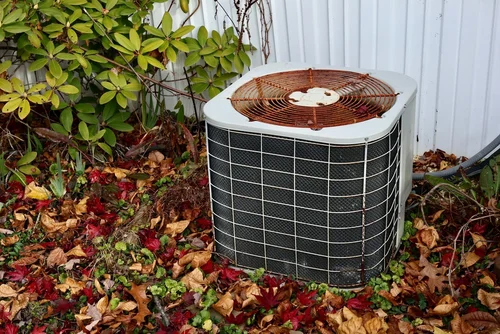
- Outdoor compressor/condenser unit. This sits outside your home, much like a traditional AC condenser, and is responsible for compressing and circulating refrigerant.
- Conduit line. A small conduit — often just three inches in diameter — connects the outdoor unit to the indoor unit(s). It houses the power cable, refrigerant tubing, and a condensate drain line, and requires only a small hole through an exterior wall.
- Indoor air handler(s). Mounted on a wall, ceiling, or floor, these units quietly distribute heated or cooled air directly into the room they serve. Because there's no ductwork, there's no energy lost in transit.
- Zone control. Single-zone systems connect one indoor handler to one outdoor unit. Multi-zone systems allow up to four (and in some commercial applications, more) indoor handlers to run off a single outdoor condenser, with each handler independently controlled.
Because refrigerant travels directly from the outdoor unit to the point of use, there's no long run of ductwork for conditioned air to travel through — and nothing for it to leak out of along the way.
Improve Your Home's Energy Efficiency by Doing Away with Ductwork
Heating and cooling account for a larger share of the average home's energy use than any other single system. That makes duct losses one of the most expensive — and most invisible — sources of waste in a typical household.
According to the U.S. Department of Energy, the average home loses around 20–30% of the air moving through its duct system to leaks, holes, and poorly connected joints, particularly in ducts that run through attics, crawlspaces, or garages. That means for every dollar you spend heating or cooling your home, roughly 20 to 30 cents may be lost before that conditioned air ever reaches a living space.
Ductless systems eliminate this loss category entirely. Because conditioned air is delivered directly into the room by the indoor handler, there's no ductwork to leak, no insulation to fail, and no unconditioned attic space for cooled or heated air to pass through. This is the single biggest reason ductless homeowners tend to see noticeably lower utility bills compared to homes with aging or poorly sealed ductwork.
Ductless Systems Create Individual Comfort Zones
Some ductless models support up to four indoor air handlers connected to a single outdoor unit. Those handlers can be distributed across separate rooms or clustered in one larger space to create multiple comfort zones.
This zoning capability matters because it lets you condition only the spaces you're actually using. Instead of cooling an entire house to make one occupied bedroom comfortable, a ductless system can cool just that bedroom — while a guest room, home office, or rarely used den stays at a different, more energy-conscious setting. Over a full year, this kind of targeted, room-by-room conditioning is far more efficient than running a central system for the whole house at once.
Mitsubishi's Inverter-Compressor Technology Allows for Even Greater Efficiency
Traditional HVAC compressors are essentially binary — they're either running at full capacity or off entirely. This start-stop cycling wastes energy and causes temperature swings.
Mitsubishi's inverter-driven compressors solve this by continuously adjusting output to match real-time demand. Instead of shutting off and restarting, the compressor ramps up or down in small increments, using only as much energy as the space actually needs at any given moment. This variable-speed operation is one of the primary reasons Mitsubishi ductless systems can reach efficiency ratings (SEER2) well above what's achievable with standard single-stage central systems, while also delivering steadier, more consistent comfort.
What Does a Ductless System Cost — And What's the Payback Period?
Ductless systems typically cost more upfront per zone than adding onto an existing central system, but they often make up the difference through lower installation labor (no ductwork to install or repair) and lower long-term operating costs.
- Single-zone systems (one outdoor unit, one indoor handler) typically run $3,000–$6,000 installed, depending on capacity and brand.
- Multi-zone systems (one outdoor unit, 2–4 indoor handlers) typically range from $6,000–$14,000+ installed, depending on the number of zones and system capacity.
- Homes replacing old, leaky ductwork with a ductless system — rather than repairing or replacing the ducts — often see the cost gap narrow significantly, since duct repair or replacement is its own substantial expense.
Payback periods vary by climate, house size, and current system efficiency, but many homeowners in hot, humid climates like Florida — where cooling systems run for most of the year — see meaningful reductions in their energy bills well before the system reaches the end of its 15–20 year expected lifespan.
Recoup Additional Savings with ENERGY STAR Qualified Models
Choosing a ductless system that meets ENERGY STAR standards can add another layer of savings. These units are certified to exceed minimum federal efficiency requirements, and that efficiency can translate into:
- Federal tax credits for qualifying high-efficiency heat pump systems (thresholds and credit amounts are set by current tax law and can change year to year — check the latest guidance at energystar.gov or IRS.gov before purchasing).
- State-level incentives, which vary by location.
- Utility rebates, which many Florida utility companies offer for qualifying high-efficiency HVAC installations.
Because incentive programs and credit amounts shift over time, it's worth confirming current eligibility with your installer or a tax professional before finalizing your purchase — but between federal, state, and utility incentives, it's common for the effective cost of an ENERGY STAR ductless system to drop substantially below its sticker price.
Smart Thermostats Provide Constant Access to Your Ductless System
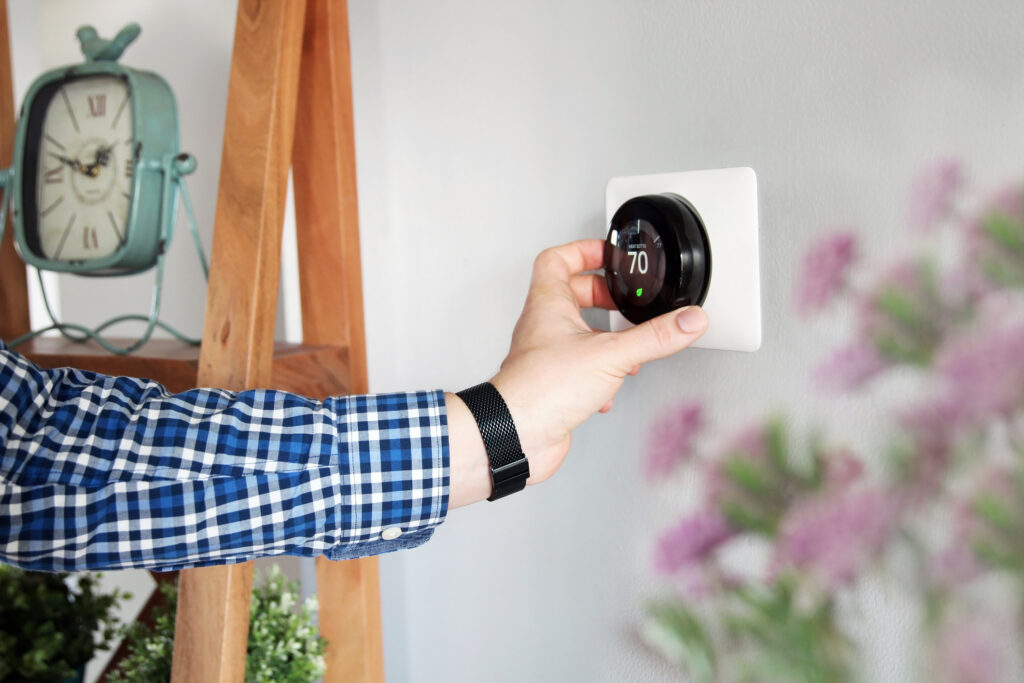
Pairing a ductless system with smart thermostat controls extends the savings even further. A smart thermostat (or a system's dedicated smart controller) lets you:
- Set custom schedules for each individual zone
- Adjust temperature remotely from a smartphone or tablet
- Receive maintenance reminders, like filter checks
- Instantly power down zones you're not using — especially useful if you're away longer than planned
This level of granular, remote control means you're never paying to condition an empty room or an empty house.
Is a Ductless System Right for Your Home?
Ductless systems tend to be an especially strong fit for:
- Additions and renovations where extending existing ductwork isn't practical or affordable
- Older homes that were never built with ductwork, such as many historic properties
- Garage conversions and bonus rooms that need standalone conditioning
- Multi-family properties, where independent zone control across units is valuable
- Homes with one persistently hot or cold room that central air struggles to balance
- Supplemental heating or cooling, layered on top of an existing central system for problem areas
If your home already has well-maintained, properly sized ductwork serving every room evenly, a central system may still make sense. But for uneven, hard-to-condition, or duct-free spaces, ductless is often the more efficient and cost-effective route.
Frequently Asked Questions
How long do ductless systems last?
Most ductless mini-split systems last 15–20 years with proper maintenance, which is comparable to or slightly better than the typical lifespan of a central air system.
Can one ductless system both heat and cool?
Yes. Most modern ductless systems are heat pumps, meaning they can reverse the refrigeration cycle to provide both heating and cooling from the same equipment.
How many rooms can one outdoor unit support?
It depends on the system. Single-zone systems support one indoor handler; multi-zone systems can typically support up to four indoor handlers per outdoor unit, though some commercial-grade systems support more.
Are ductless systems noisy?
No — indoor air handlers are designed to run quietly, and outdoor condenser units are generally comparable in sound level to a standard central AC condenser.
Do ductless systems work well in humid climates like Florida?
Yes. Ductless systems are highly effective at both cooling and dehumidifying, which makes them well suited to Florida's hot, humid conditions.
Ready to Explore Your Ductless Options?
Del-Air Heating, Air Conditioning & Refrigeration, LLC is one of Florida's leading providers of heating and cooling services, and our reputation is built on helping homeowners make the right choice for their home and budget — not just selling a system.
If you're not sure whether a ductless system is the right fit for your Tampa-area home, schedule a free consultation with our team. We'll walk you through your options, answer your questions, and help you find the system that delivers the comfort and savings you're looking for.