

5 Signs You Need a New Air Conditioner
An efficient air conditioner isn't a luxury in Florida — it's essential. Between the heat and the humidity, your cooling system works harder here than almost anywhere else in the country, and that constant demand takes a toll over time. Even the best-built unit won't last forever, and knowing when to replace it — rather than continuing to repair it — can save you money, hassle, and a lot of uncomfortable summer afternoons.
Here are five key signs that your air conditioner may be nearing the end of its life, plus what to consider as you weigh repair versus replacement.
1. An Unexpected Increase in Energy Bills
If your cooling costs are steadily climbing but your air conditioner use hasn't changed, your system's efficiency is on the decline. This is one of the clearest signs that a unit is nearing the end of its lifespan. As components wear down — compressors work harder, refrigerant levels drop, coils lose efficiency — your system has to run longer and harder to deliver the same amount of cooling, and your energy bill reflects it.
Upgrading to a new AC system typically delivers a noticeable improvement in efficiency thanks to advances in compressor technology, refrigerants, and overall design. In many cases, the energy savings from a new unit start offsetting the cost of replacement almost immediately.
2. High Humidity or Musty Smells
Beyond cooling your home, your air conditioner also acts as a dehumidifier. Cool air holds less moisture than warm air, so as air passes over the evaporator coils, moisture condenses out of it and drains away through the condensate line. When your system is working properly, this keeps indoor humidity in a comfortable, healthy range.
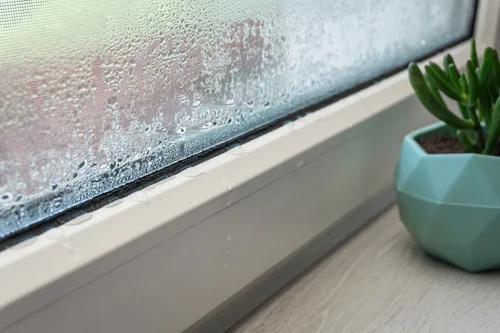
When a system starts to fail, this process becomes less effective, and humidity creeps up. That extra moisture in the air often shows up as a musty smell, sticky-feeling indoor air, or even condensation on windows and surfaces. Persistent humidity problems — especially in a home that never used to have them — are a strong signal that your air conditioner is struggling and may be due for replacement.
3. An Aging Air Conditioner
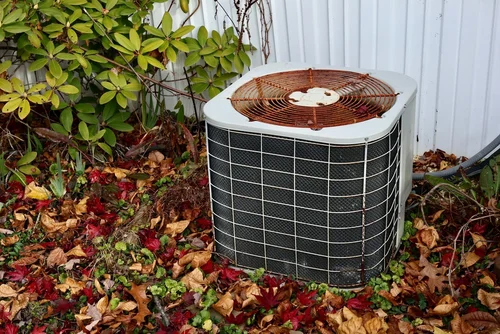
Most air conditioners are designed to last 10 to 15 years with proper maintenance. If your system is approaching or past that decade mark, it's worth starting to plan for a replacement, even if it's still technically running.
Cooling technology has advanced significantly over the last decade. Features like variable-speed compressors and smarter controls allow modern systems to maintain more consistent comfort while using considerably less energy than older, single-stage units. Planning ahead — rather than waiting for a full breakdown — gives you time to research options, compare systems, and choose the features that fit your home, instead of making a rushed decision during a summer heat wave with no AC.
4. Frequent Repair Needs
Every air conditioner needs occasional repairs, but a pattern of frequent breakdowns is a red flag. If you've needed multiple repairs within a short window of time — especially more than once in the same year — it's worth having an honest conversation with your technician about whether continued repairs still make financial sense.
A helpful rule many homeowners use: multiply the age of your unit by the cost of the repair. If that number exceeds $5,000, replacement is often the more economical choice. An experienced technician can walk you through the specifics of your system's condition and help you decide whether continued repairs or a new installation is the better long-term investment.
5. You Don't Have Cool Air
If your system is running but isn't blowing cold air, something is wrong — whether it's a refrigerant leak, a failing compressor, or another mechanical issue. A repair technician can diagnose the problem and let you know whether it's a straightforward fix or a sign of a bigger problem.
In some cases, a quick repair will solve the issue. In others — particularly with older systems or units that have already had multiple issues — replacing the air conditioner is the more reliable way to restore consistent, effective cooling instead of chasing repeated fixes on failing equipment.
Repair or Replace? What to Consider
When you're on the fence, a few questions can help clarify the decision:
- How old is the unit? Systems under 10 years old are often worth repairing; those over 10–15 years are approaching the point where replacement makes more sense.
- How much has it already cost you? Add up repair costs over the past year or two. If they're piling up, a new system may pay for itself faster than you'd expect.
- How efficient is your current system compared to newer models? Older units are often far less efficient than what's available today, meaning ongoing energy costs are part of the true cost of keeping them.
- Is your home still comfortable? If certain rooms never cool properly or humidity feels out of control, an aging system may simply no longer be capable of meeting your home's needs.
The Benefits of Upgrading to a New System
Replacing an aging or failing air conditioner isn't just about avoiding a breakdown — it also comes with real advantages:
- Lower energy bills from improved efficiency ratings (SEER2)
- More consistent comfort, with better humidity control and fewer temperature swings
- Quieter operation, thanks to modern compressor and fan designs
- Fewer repair calls and less unplanned downtime
- Manufacturer warranties that provide peace of mind for years to come
Ready for a New Air Conditioner?
If you've noticed one or more of these warning signs, it's likely time to start exploring a new air conditioner for your home. Contact Del-Air to learn more about your options. Our team can assess your specific needs and recommend a system that delivers the comfort and energy efficiency you're looking for, without the guesswork.