


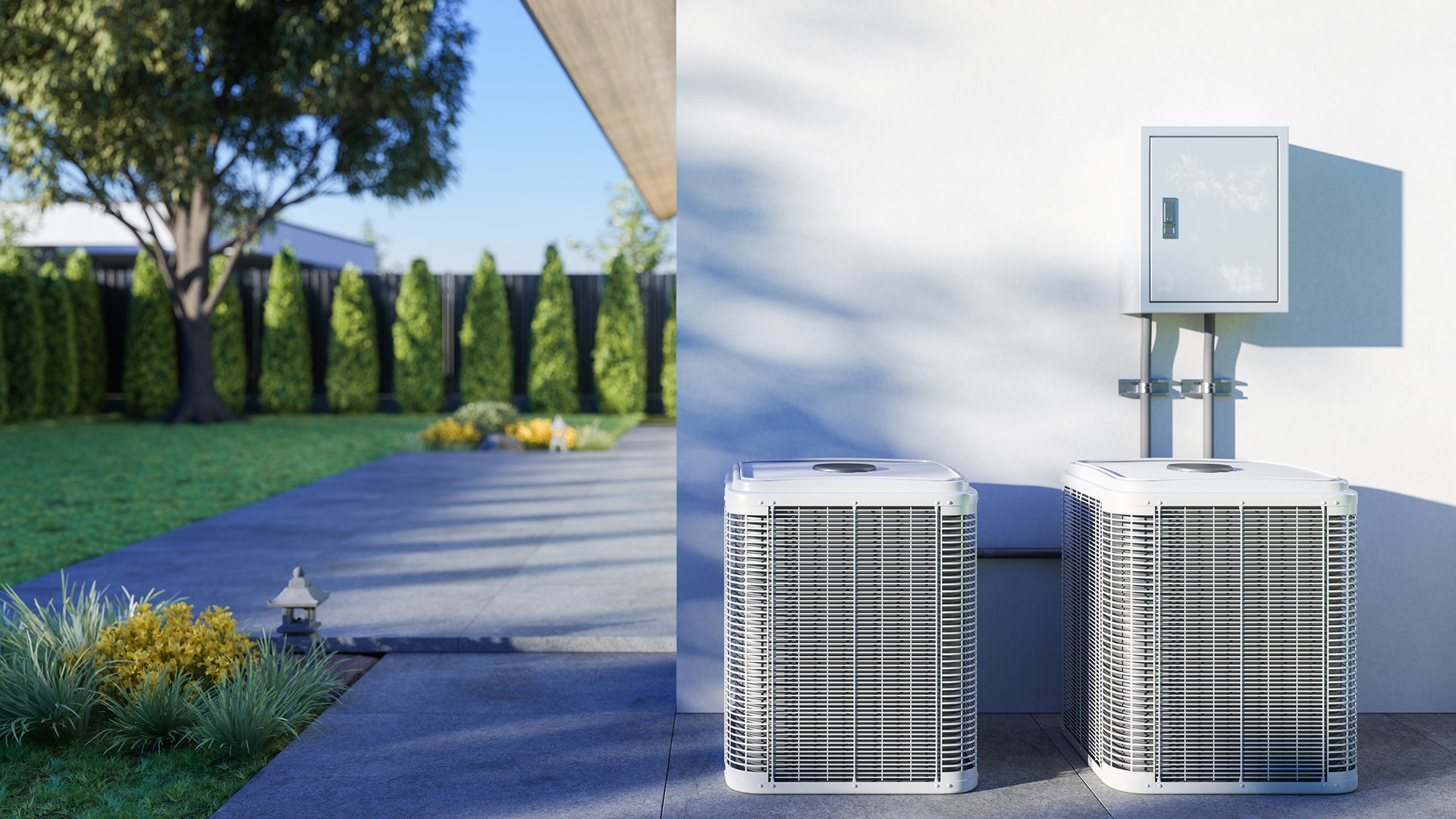
In the sweltering heat of a Florida summer, nothing matters more than an air conditioning system that actually works. But because your AC runs almost nonstop for months at a time here, small issues tend to surface — and escalate — faster than they would in milder climates. A minor airflow problem that might go unnoticed elsewhere can turn into a full system breakdown within weeks if it's ignored during peak season.
The good news is that many common AC issues have clear warning signs, and catching them early is almost always cheaper and easier than waiting for a full system failure. Some of these problems are simple enough to check yourself in a few minutes. Others involve refrigerant, electrical components, or internal mechanics that should only be handled by a licensed HVAC technician. Below are nine of the most common residential AC issues, what typically causes them, and how to tell which category yours falls into.
1. Blowing Warm Air
If your air conditioner is running but only blowing warm air, start with the basics. If you have a heat pump that provides both heating and cooling, check your thermostat to confirm the system is actually set to "cool" — it's surprisingly easy to bump the "heat" setting by accident, especially on older or manual thermostats. Next, check your fan setting. It should be set to "auto," not "on." The "on" setting circulates air continuously throughout your home regardless of temperature, which means you'll feel air movement even when the system isn't actively cooling.
If your thermostat settings look correct and you're still getting warm air, the issue is likely mechanical — a failing compressor, a refrigerant leak, or an electrical problem — and it's time to call a professional.
2. Uneven Cooling
If some rooms in your home stay comfortably cool while others feel noticeably warmer, start by checking your air vents. Furniture, rugs, curtains, and other furnishings placed too close to vents can block airflow without you realizing it, so make sure vents are clear on all sides. It's also worth confirming that no registers have been accidentally closed.
If your vents are clear and you're still seeing inconsistent temperatures, the cause may run deeper — thermostat calibration issues, loose electrical connections, or a failing damper in a zoned system can all cause an AC system to cycle off before it reaches the desired temperature throughout the home. Duct sizing problems, where certain rooms simply weren't accounted for properly in the original ductwork design, can also produce this symptom. These issues typically require a professional diagnosis, since they involve testing components you can't easily inspect yourself.
3. Weak Airflow
If the air coming out of your vents is so weak you can barely feel it, leaky ductwork is often the culprit. Ductwork operates under constant pressure, and over time, joints and seams can loosen or separate, allowing conditioned air to escape into attics, crawl spaces, or walls before it ever reaches your rooms. Beyond the comfort issue, this also means you're paying to cool air that never makes it into your living space — and pulling in unconditioned, sometimes dusty attic air through the resulting negative pressure, which can affect indoor air quality.
Weak airflow can also stem from a failing blower motor or a clogged filter (see below), so it's worth ruling out the simpler explanations first. If your filter is clean and airflow is still weak, sealing and insulating your ductwork is usually the fix — and it's best handled by a professional who can pressure-test the system and locate leaks precisely.
4. Clogged Air Filter
A clogged or dirty air filter is one of the most common — and most preventable — causes of AC problems. When a filter becomes overloaded with dust, pet dander, and debris, air has a harder time passing through it. In some cases, this causes unfiltered air to bypass the filter altogether and accumulate directly on internal AC components. Once dirt builds up on the cooling coils, they lose their ability to absorb heat efficiently, which can lead to serious malfunctions, including a frozen evaporator coil.
The fix here is simple: check your filter monthly and replace it every 30-90 days, depending on the filter type and your household (pets and allergies mean more frequent changes). Del-Air's filter delivery service makes it easy to stay on top of this without having to remember to buy replacements yourself.
5. Air Conditioner Won't Turn On
If your AC doesn't respond at all — no fan, no compressor, nothing — the cause is often more straightforward than it seems. Start by checking your thermostat's batteries, since a dead battery is one of the most common reasons a system appears completely unresponsive. Next, check your electrical panel for a tripped breaker, and check for a blown fuse at your outdoor unit's disconnect box if your home has one.
If you've checked all of these and your system still won't turn on, the issue could be a failed capacitor, a bad contactor, or a wiring problem — all of which require a trained technician to safely diagnose and repair.
6. Water Leaking or Pooling Near the Unit
Water pooling near your indoor unit is usually caused by a clogged condensate drain line. As your AC removes humidity from the air, that moisture collects and drains out through a dedicated line. Over time, algae, dirt, and debris can clog this line, causing water to back up and overflow — sometimes damaging flooring, drywall, or ceilings in the process.
It's worth noting that this is different from a refrigerant leak (covered below), even though both can involve moisture-related symptoms. If you notice water pooling but no hissing sounds or frozen coils, a clogged condensate line is the more likely explanation. Many HVAC companies can clear this line as part of routine maintenance, and in some cases, a wet/dry vac at the outdoor drain opening can temporarily clear a minor clog — though a professional inspection is recommended to prevent recurrence.
7. Thermostat Malfunctions
Your thermostat is the control center for your entire system, so when it malfunctions, the symptoms can look like almost any other AC problem — warm air, uneven cooling, a system that won't turn on, or a system that runs constantly without reaching the set temperature. Common causes include dead batteries, a thermostat that's miscalibrated and reading the wrong temperature, or wiring issues between the thermostat and the system itself.
If you've recently replaced your thermostat's batteries and the problem persists, or if you notice the displayed temperature doesn't match how your home actually feels, it may be time to have a technician inspect the wiring or recommend a replacement — particularly if your thermostat is older and lacks modern diagnostic features.
8. Short Cycling
Short cycling refers to an AC system that turns on and off rapidly, often running for just a few minutes at a time before shutting down again. This is more than just an annoyance — it prevents your system from completing a full cooling cycle, which means your home never gets fully cooled or properly dehumidified, and it puts significant extra wear on your compressor, which is one of the most expensive components to replace.
Common causes include a dirty air filter restricting airflow, low refrigerant levels, a malfunctioning thermostat, or an AC unit that's oversized for your home (a system that's too powerful for the space cools it too quickly, shutting off before completing a proper cycle). Because pinpointing the exact cause requires diagnostic tools and experience, short cycling is a symptom that should always be evaluated by a professional — the fix could be as simple as a filter change or as involved as correcting an improperly sized system.
9. Air Conditioner Noises
Every AC system makes some noise during normal operation, but new or unusual sounds are almost always worth investigating. Listen for hissing, clicking, thumping, rattling, banging, screeching, or buzzing. Each of these can point to a different underlying issue: hissing often suggests a refrigerant leak, clicking can indicate an electrical or relay issue, banging or rattling may point to a loose or broken part inside the unit, and screeching frequently signals a failing belt or motor bearing.
Because these sounds can indicate anything from a minor loose panel to a serious refrigerant or motor issue, it's best to have a professional HVAC technician inspect your system promptly rather than waiting to see if the noise goes away on its own.
Refrigerant Leaks: A Special Case
Refrigerant leaks deserve their own callout because they're both common and potentially hazardous. If your air conditioner is leaking refrigerant, this isn't a DIY repair under any circumstances — refrigerant must be handled by a licensed HVAC technician who has the training and equipment to manage it safely.
Watch for these signs of a refrigerant leak:
- The coils are frozen
- The registers aren't blowing cool air
- Hissing sounds are coming from your indoor unit
- Your home feels unusually humid
- Your electric bills have increased without a clear explanation
If you're noticing any of these signs, don't wait — contact Del-Air today to have your system inspected.
Sky-High Energy Bills
If none of the specific symptoms above match what you're experiencing, but you've noticed your energy bills climbing steadily, the underlying cause is often simply a lack of regular maintenance. Air conditioning systems need scheduled tune-ups to keep every component operating at peak efficiency. In fact, heat pumps that receive professional maintenance operate up to 25 percent more efficiently than those that don't, according to the U.S. Department of Energy. Well-maintained systems also tend to last longer, helping you avoid the far greater cost of an unexpected full replacement.
When to Call a Professional
While some AC issues can be checked or resolved on your own, others should always be left to a licensed technician. Here's a quick summary:
You can often check or fix these yourself:
- Thermostat set to the wrong mode or fan setting
- Vents blocked by furniture or rugs
- A dirty or overdue air filter
- Dead thermostat batteries
- A tripped breaker (reset once, and call a pro if it trips again)
Always call a professional for:
- Any suspected refrigerant leak
- Electrical issues, including a breaker that keeps tripping
- Frozen coils
- Unusual noises like hissing, screeching, or banging
- Short cycling
- A system that won't turn on after basic checks
- Persistent water leaks near the indoor unit
- Uneven cooling or weak airflow that isn't resolved by clearing vents or changing the filter
When in doubt, it's always safer — and often cheaper in the long run — to have a trained technician diagnose the issue rather than attempting a repair that could cause further damage or safety risks.
Trust Del-Air to Keep You Cool All Summer
From proactive maintenance to emergency air conditioning repair, Del-Air has the experience to handle any of the issues above — whether it's a quick filter swap or a complex refrigerant repair. Since 1983, we've kept homes and businesses throughout Florida comfortable in every season, and we're ready to help you stay cool this summer too. Contact our team today to schedule an inspection or address any of the warning signs covered here before they turn into a bigger problem.